SEE OUR SPECIALS
 FINANCING
 SCHEDULE A SERVICE
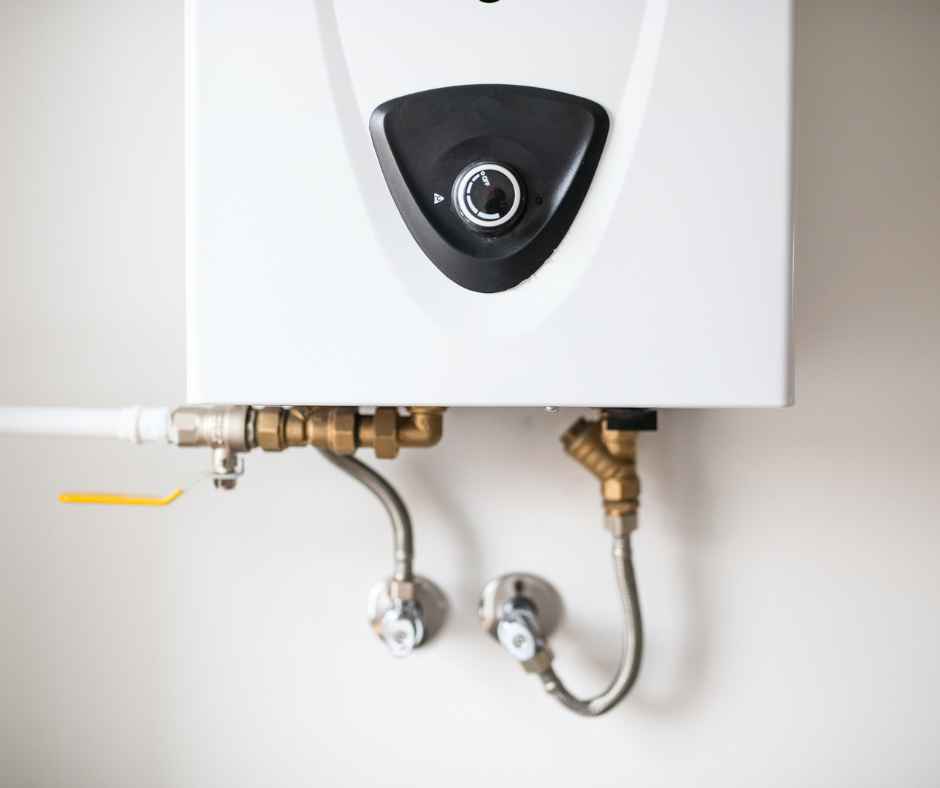
Tankless water heaters appeal to many Flat Rock homeowners because they provide hot water on demand, take up less space than traditional tanks, and can operate efficiently when properly selected and installed.
However, converting to a tankless system is not always as simple as removing the old water heater and mounting a new unit on the wall. The home’s gas service, electrical panel, venting, plumbing layout, water quality, and peak hot-water demand all need to be evaluated first.
In this guide, we will explain what must be checked before installing a tankless water heater and why careful planning is essential for reliable performance.
Is a Tankless Water Heater Right for Every Home?
Tankless water heaters can work well in many homes, but they are not automatically the best option for every household.
A successful installation depends on:
- Household hot-water use
- Number of bathrooms
- Simultaneous fixture demand
- Available gas or electrical capacity
- Plumbing layout
- Incoming water temperature
- Water pressure
- Water quality
- Equipment location
- Venting options
A smaller household that rarely uses several fixtures at once may have different needs than a family running two showers, a dishwasher, and a washing machine during the same period.
The system should be selected based on how the home actually uses hot water, not simply on square footage or the size of the old tank.
How Much Hot Water Does Your Household Use?
Tankless water heaters do not store a large supply of preheated water. They heat water as it passes through the unit.
That means the system must be able to keep up with the household’s peak demand.
A contractor may consider whether the home frequently uses:
- Multiple showers at once
- A large soaking tub
- A dishwasher during evening routines
- A washing machine while someone showers
- Several bathroom fixtures simultaneously
- High-flow showerheads
- A recirculation system
Average daily use is helpful, but peak demand is usually more important for sizing.
A system that is too small may produce warm water at one fixture but struggle when several fixtures operate together.
Why Flow Rate Matters
Tankless water heater capacity is commonly measured in gallons per minute.
Flow rate describes how much hot water the unit can supply at one time. Each open fixture adds to the total demand.
For example, simultaneous use may include:
- Two showers
- One shower and a dishwasher
- A bathtub and kitchen faucet
- Laundry and bathroom use
- Several sinks during a busy morning
The total required flow must remain within the unit’s capacity after accounting for the needed temperature rise.
Choosing a larger unit is not always the only answer. Fixture efficiency, household habits, system design, and recirculation options can also affect performance.
How Incoming Water Temperature Affects Performance
A tankless water heater must raise incoming cold water to the selected hot-water temperature.
The difference between those temperatures is called the temperature rise.
During colder conditions, incoming water may enter the home at a lower temperature. The unit must work harder to reach the same hot-water setting, which can reduce the amount of hot water it delivers per minute.
This is why a unit’s maximum advertised flow rate does not tell the whole story. Performance must be evaluated using the temperature rise expected at the home.
A properly sized system should account for colder seasonal inlet temperatures rather than only ideal testing conditions.
Should You Choose Gas or Electric Tankless?
Gas and electric tankless water heaters have different installation requirements.
Gas-fired units are often selected for larger households because they may provide higher hot-water output. They can require:
- A properly sized gas line
- Adequate meter capacity
- Approved venting
- Combustion air
- Condensate drainage for certain models
- Electrical power for controls and ignition
Electric tankless units do not need gas piping or combustion venting, but whole-home models can require a substantial amount of electrical capacity.
They may need:
- Multiple dedicated circuits
- Large conductors
- Available breaker space
- Sufficient utility service
- An electrical panel upgrade
The best choice depends on the home’s available utilities, expected demand, installation cost, and long-term goals.
Can the Gas Line Support the New Unit?
A gas tankless water heater may require more fuel during operation than a conventional tank-style model.
The existing gas line should be evaluated for:
- Pipe diameter
- Pipe length
- Gas pressure
- Meter capacity
- Regulator condition
- Other gas appliances
- Total household demand
Other equipment sharing the gas supply may include furnaces, ranges, fireplaces, dryers, or pool heaters.
An undersized gas line can lead to poor performance, ignition trouble, error codes, or unreliable operation when several appliances run together.
The existing connection should not be assumed to be adequate simply because the home already has a gas water heater.
Does the Home Have the Right Venting?
Gas tankless units require venting designed for their combustion system.
The existing vent used by a traditional water heater may not be compatible with the new equipment.
Installation planning may need to address:
- Vent material
- Pipe diameter
- Vent length
- Number of elbows
- Exterior termination location
- Clearance from windows and doors
- Combustion air
- Condensing versus non-condensing equipment
Condensing tankless units operate differently from non-condensing models and may use different vent materials.
Vent routing can strongly affect where the new unit is installed. A convenient wall location may not work if there is no safe path for the intake and exhaust.
Can the Electrical Panel Support an Electric Unit?
Whole-home electric tankless water heaters can place a large demand on the electrical system.
Before installation, an electrician may need to evaluate:
- Main service size
- Existing household load
- Panel condition
- Available breaker positions
- Wiring capacity
- Grounding and bonding
- Future electrical upgrades
A panel with open breaker spaces may still lack enough service capacity.
An electric tankless conversion may require new circuits, larger wiring, or a service upgrade. These costs should be identified before the homeowner selects the equipment.
Smaller point-of-use electric units may have more modest requirements, but they still need properly sized dedicated circuits.
Is the Existing Plumbing Layout Compatible?
The plumbing system must be evaluated along with the utilities.
Important factors include:
- Cold-water line size
- Hot-water distribution piping
- Water pressure
- Shutoff valve condition
- Fixture locations
- Pipe length
- Existing recirculation lines
- Plumbing material
- Space for service valves
A tankless water heater should generally include isolation valves that allow the unit to be flushed and maintained.
Long pipe runs can also affect how quickly hot water reaches distant fixtures. Replacing a tank with tankless equipment does not change the distance water must travel through the home.
Will the Installation Location Work?
Tankless water heaters are compact, but they still require a suitable location.
The installer should consider:
- Wall strength
- Service clearance
- Vent access
- Gas or electrical routing
- Plumbing connections
- Condensate drainage
- Freeze protection
- Noise
- Outdoor exposure
- Access for maintenance
A location that saves space but makes future service difficult may not be the best long-term choice.
Outdoor models may be appropriate in some settings, but local temperatures, exposure, freeze protection, and manufacturer requirements must be considered carefully.
Does the System Need a Condensate Drain?
High-efficiency condensing tankless units create water during operation.
This condensate must be directed to an approved drain. Because it can be acidic, a neutralizer may be recommended or required before disposal.
Installation may involve:
- Condensate tubing
- A nearby drain
- A condensate pump
- A neutralization cartridge
- Freeze protection
- Periodic maintenance
A planned installation location may become impractical if there is no reasonable way to manage condensate.
This detail should be addressed before the unit is selected and mounted.
How Water Quality Can Affect Tankless Performance
Mineral buildup can affect the narrow internal passages and heat exchanger inside a tankless water heater.
Over time, scale may contribute to:
- Reduced water flow
- Longer operating times
- Lower efficiency
- Temperature fluctuations
- Error codes
- Premature component wear
Water quality varies by source and property. Testing may be recommended to evaluate hardness, sediment, iron, or other conditions that could affect the equipment.
A water softener, sediment filter, or another treatment system may be considered based on actual test results.
Water treatment should be matched to the identified problem rather than installed as a one-size-fits-all solution.
Will Hot Water Reach Fixtures Faster?
Tankless equipment heats water on demand, but it does not eliminate the delay caused by long plumbing runs.
If the water heater is far from a bathroom or kitchen, cooled water already sitting in the pipe must still leave before hot water arrives.
Options that may reduce waiting include:
- A built-in recirculation pump
- A dedicated return line
- A crossover recirculation system
- Point-of-use equipment
- Improved pipe insulation
Recirculation must be designed correctly. Continuous circulation can waste energy if the system is poorly controlled.
Timers, sensors, or demand-based controls may improve convenience while limiting unnecessary operation.
What Maintenance Will the New System Need?
Tankless water heaters are not maintenance-free.
Recommended service may include:
- Flushing or descaling
- Cleaning inlet filters
- Inspecting venting
- Checking gas pressure
- Testing combustion
- Inspecting condensate components
- Replacing neutralizer media
- Checking for leaks
- Reviewing error codes
Maintenance frequency depends on water quality, household use, equipment design, and manufacturer recommendations.
Homes with hard water may need more frequent descaling.
Skipping maintenance can reduce performance and may affect warranty coverage.
Plan Your Flat Rock Tankless Installation Carefully
A tankless water heater can be a strong option for a Flat Rock home, but reliable performance depends on more than the unit itself. Hot-water demand, flow rate, incoming water temperature, gas or electrical capacity, venting, plumbing, water quality, and maintenance access should all be evaluated before installation.
Superior Comfort Heating and Cooling can inspect your home, calculate your hot-water needs, and explain whether gas or electric tankless equipment is the right fit. To explore an on-demand water heater without overlooking important installation requirements, contact us today to schedule a professional evaluation.