SEE OUR SPECIALS
 FINANCING
 SCHEDULE A SERVICE
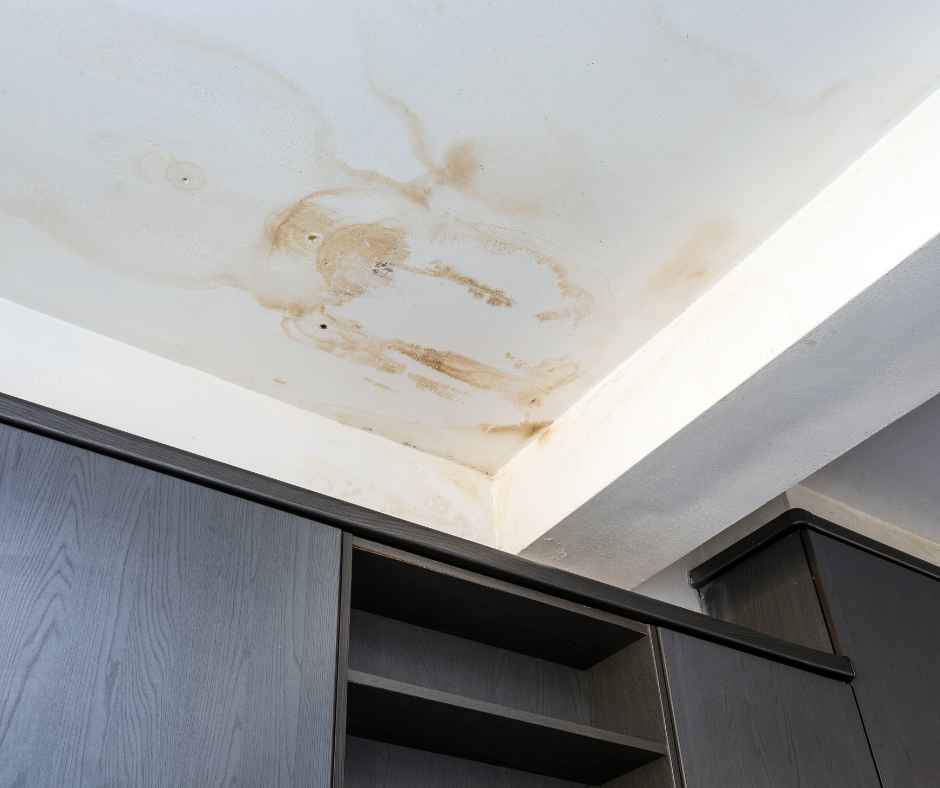
Older Flat Rock homes are more likely to experience hidden plumbing leaks because aging pipes, worn fittings, shifting foundations, high water pressure, corrosion, and outdated plumbing materials can fail behind walls, under floors, or beneath slabs. Homeowners should watch for musty odors, water stains, low pressure, higher water bills, soft flooring, and unexplained moisture before a small hidden leak becomes major water damage.
Older homes in Flat Rock have character, established neighborhoods, mature landscaping, and construction details that many homeowners love. But older plumbing systems can create problems that are not always easy to see. A pipe can leak for weeks behind a wall, under a cabinet, in a crawl space, or beneath flooring before obvious damage appears.
In this guide, we will explain why older Flat Rock homes are more vulnerable to hidden plumbing leaks, what warning signs to watch for, and when to call Superior Comfort Heating, Cooling & Plumbing for professional leak detection and repair.
Why Hidden Plumbing Leaks Are Common in Older Homes
A hidden plumbing leak is any leak that occurs out of sight. It may happen inside a wall, under a sink cabinet, below a floor, in a crawl space, above a ceiling, behind a shower, or under a slab foundation.
Older homes are more likely to have hidden leaks because plumbing materials and connections wear down over time. Even if the system was installed properly, decades of water pressure, temperature changes, corrosion, and movement can weaken pipes and fittings.
Common reasons older Flat Rock homes develop hidden leaks include:
- Aging pipe materials
- Corroded fittings
- Worn pipe joints
- Old shutoff valves
- High water pressure
- Loose connections
- Foundation settling
- Crawl space moisture
- Past DIY repairs
- Outdated fixture connections
- Tree root pressure near exterior lines
- Repeated freeze and thaw stress during cold weather
- Normal wear from decades of use
The biggest issue is that hidden leaks often start small. A slow drip may not cause immediate flooding, but it can still damage drywall, flooring, cabinets, insulation, framing, and indoor air quality over time.
Aging Pipes Can Fail From the Inside Out
Many older homes have plumbing that has been repaired, extended, or partially replaced over the years. That can leave the home with a mix of pipe materials and connection types. Some sections may be newer, while others may be decades old.
As pipes age, they can develop:
- Pinholes
- Cracks
- Corrosion
- Loose fittings
- Weak joints
- Mineral buildup
- Reduced flow
- Brittle sections
- Leaks around valves or connections
Corrosion is especially frustrating because it may begin inside the pipe where homeowners cannot see it. By the time water stains or discoloration appear, the leak may have already caused hidden damage.
Water Pressure Can Make Small Weaknesses Worse
High water pressure may feel convenient at the showerhead, but it can be hard on older plumbing. Pipes, valves, supply lines, and fixture connections are designed to handle normal pressure. When pressure is too high, weak points are more likely to fail.
High pressure can contribute to:
- Pipe stress
- Leaking fittings
- Worn appliance hoses
- Dripping faucets
- Running toilets
- Water hammer
- Shortened fixture lifespan
- Recurring leaks after repairs
If an older Flat Rock home has repeated plumbing leaks, water pressure should be checked. A pressure issue can turn a small vulnerability into a recurring problem throughout the home.
Foundation Movement and Settling Can Stress Plumbing
Older homes naturally settle over time. Soil movement, moisture changes, foundation shifts, and structural settling can all affect plumbing lines. Even slight movement can stress pipes that run through walls, floors, crawl spaces, or slabs.
Foundation movement may cause:
- Pipe misalignment
- Cracked fittings
- Stress at joints
- Drain line separation
- Slab leak risks
- Hidden leaks behind finished surfaces
- Slow drainage from shifted lines
A plumbing leak and a structural issue can also feed each other. A hidden leak may introduce moisture near the foundation, while foundation movement may increase stress on the plumbing. That is why unexplained moisture should be investigated quickly.
Crawl Spaces Can Hide Plumbing Problems
Many older homes have crawl spaces where plumbing lines are routed beneath the home. Crawl spaces can make repairs more accessible, but they can also hide problems from everyday view.
Crawl space plumbing leaks may go unnoticed because homeowners do not regularly inspect those areas. Dampness, low visibility, insulation, and tight access can make leaks harder to spot.
Warning signs of crawl space leaks include:
- Musty odors indoors
- Higher humidity in the home
- Soft or uneven flooring
- Pest activity
- Mold or mildew smells
- Standing water under the home
- Cold floors in certain areas
- Higher water bills
- Sounds of dripping or running water
Crawl space moisture can affect more than plumbing. It can also impact comfort, indoor air quality, and structural materials.
Bathrooms and Kitchens Are Common Leak Zones
Bathrooms and kitchens use water every day, which makes them common areas for hidden leaks. In older homes, fixture connections, drains, supply lines, and seals may wear out with age.
Hidden leaks often occur near:
- Toilets
- Shower valves
- Tub drains
- Sink drains
- Garbage disposals
- Dishwasher lines
- Refrigerator water lines
- Washing machine hoses
- Water heater connections
- Shutoff valves
- Outdoor hose bibs
- Pipes behind cabinets or walls
A small leak under a sink may be easy to see. A leak behind a shower wall or beneath a toilet flange may stay hidden until the flooring softens, paint bubbles, or mold appears.
Signs Your Flat Rock Home May Have a Hidden Plumbing Leak
Hidden leaks usually give clues before they become emergencies. The key is knowing what to look for.
Call a plumber if you notice:
- Unexplained increase in your water bill
- Musty or damp odors
- Water stains on ceilings or walls
- Bubbling paint
- Peeling wallpaper
- Warped flooring
- Soft spots in the floors
- Mold or mildew growth
- Low water pressure
- Sounds of running water when fixtures are off
- Damp cabinets
- Rust or corrosion around fixtures
- Cracks in tile or grout near plumbing
- Wet spots in the yard
- A water meter that moves when no water is being used
One of the simplest warning signs is a water bill that rises without a change in usage. If your household habits have not changed but the bill is higher, a hidden leak may be the reason.
Why Small Leaks Can Cause Big Damage
A hidden leak does not have to be dramatic to be expensive. A slow drip can create major damage if it continues long enough.
Small leaks can lead to:
- Drywall damage
- Cabinet damage
- Wood rot
- Mold growth
- Flooring damage
- Ceiling stains
- Insulation damage
- Electrical hazards near wet areas
- Pest problems
- Higher utility bills
- Structural concerns
- Reduced property value
The longer a leak stays hidden, the more materials may need repair. That is why early leak detection often costs less than waiting until obvious damage occurs.
Repairing the Leak vs. Replacing Old Pipes
Sometimes a hidden leak can be repaired with a targeted fix. Other times, the leak is a sign that the plumbing system is aging out.
A simple repair may make sense if:
- The leak is isolated
- The pipe material is still in good condition
- There is no history of repeated leaks
- The damaged area is accessible
- Water pressure is normal
- The issue was caused by one failed connection
A larger plumbing update may be needed if:
- Leaks keep happening in different areas
- Pipes show corrosion
- Water is discolored
- Pressure is low throughout the home
- Previous repairs are failing
- The home has old or mixed plumbing materials
- Hidden leaks are appearing behind walls or under floors
- You are remodeling bathrooms or kitchens
A professional inspection can help determine whether the home needs a single repair, a partial pipe replacement, or a broader plumbing upgrade.
How Leak Detection Helps Avoid Unnecessary Damage
Professional leak detection helps locate the source of moisture without tearing apart more of the home than necessary. This is especially important when water appears in one place but the leak starts somewhere else.
A leak detection visit may include:
- Visual inspection
- Water pressure testing
- Fixture and valve checks
- Water meter testing
- Moisture readings
- Listening for hidden leaks
- Inspecting crawl spaces
- Checking water heater connections
- Evaluating supply lines and drains
- Identifying likely leak paths
The goal is to quickly identify the source and recommend the most practical repair.
How Homeowners Can Reduce Hidden Leak Risk
Older homes need regular plumbing attention. A few preventive habits can help reduce the chance of hidden damage.
Helpful steps include:
- Check under sinks monthly
- Look around toilets for soft flooring or moisture
- Replace old washing machine hoses
- Watch for stains on ceilings and walls
- Do not ignore musty smells
- Test shutoff valves periodically
- Monitor water bills
- Know where the main water shutoff is
- Schedule plumbing inspections before remodeling
- Fix dripping faucets and running toilets quickly
- Keep crawl spaces dry and accessible
- Call for service after repeated pressure changes or leaks
Prevention does not mean every leak can be avoided, but it can help catch problems earlier.
Why Flat Rock Homeowners Choose Superior Comfort
Superior Comfort Heating, Cooling & Plumbing can help homeowners find and repair hidden plumbing leaks before they cause unnecessary damage. Because plumbing issues often affect comfort, moisture, indoor air quality, and home performance, a whole-home service approach matters.
We can help with:
- Hidden leak detection
- Plumbing repairs
- Pipe replacement
- Water pressure concerns
- Fixture leaks
- Crawl space plumbing issues
- Water heater connections
- Drain and supply line problems
- Preventive plumbing inspections
- HVAC and humidity concerns connected to moisture problems
Our team can inspect the issue, explain what is happening, and recommend the right solution for your home.
Call Superior Comfort for Hidden Plumbing Leaks
Call Superior Comfort Heating, Cooling & Plumbing if your older Flat Rock home has musty odors, water stains, soft flooring, low pressure, rising water bills, damp cabinets, or sounds of running water when fixtures are off. These warning signs may point to a hidden leak behind walls, under floors, in a crawl space, or near an aging plumbing connection.
Hidden plumbing leaks are common in older homes because pipes, fittings, valves, and joints wear down over time. The sooner the leak is found, the easier it is to limit water damage and protect your home. Contact Superior Comfort Heating, Cooling & Plumbing today to schedule plumbing service and get help finding the source of hidden moisture before it becomes a bigger problem.