SEE OUR SPECIALS
 FINANCING
 SCHEDULE A SERVICE
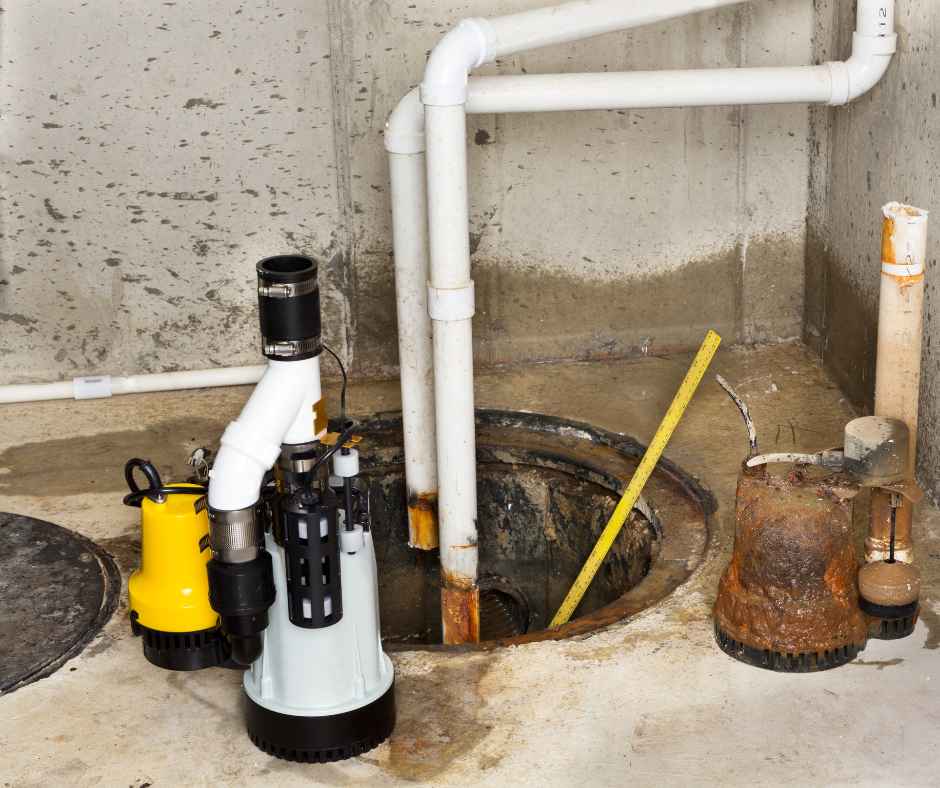
Spring basement water in Flat Rock usually results from groundwater pressure, saturated soil, poor exterior drainage, or foundation weaknesses, not just from a single big storm. When water builds up around the home, a sump pump helps protect the basement by collecting that groundwater and pumping it safely away before it rises onto the floor.
Spring in southeast Michigan is rough on basements. Rain picks up in April and May, and snowmelt can still be part of the picture earlier in the season. In the Detroit area, average precipitation climbs from 2.43 inches in March to 3.26 inches in April and 3.72 inches in May, which helps explain why water problems often show up in spring rather than midwinter.
That does not mean every wet basement is caused by flooding in the insurance sense. In many Flat Rock homes, water shows up because the ground around the foundation gets saturated, pressure builds outside the basement walls, and the home’s drainage or pump system cannot keep up. Sump pumps are commonly used across Michigan for exactly this reason: they remove excessive groundwater from around the home and discharge it away from the basement.
In this guide, you will learn why Flat Rock basements are especially vulnerable during spring rains, what usually causes water to show up downstairs, and how sump pumps help prevent expensive damage.
Why Do Basements Get Wet So Often in Spring?
Spring creates the perfect setup for basement water problems. The soil around the home absorbs rain, groundwater rises, and any weak spot in the foundation or drainage path becomes more likely to show itself. In southeast Michigan, rainfall increases notably in April and May, so the ground often stays wetter for longer stretches during spring.
Once the soil around your foundation is saturated, water pressure builds against the basement walls and floors. If the water cannot drain away efficiently, it looks for the path of least resistance.
What Usually Causes Basement Water in Flat Rock Homes?
In most homes, the problem is one or more of these:
- groundwater building up around the foundation
- poor grading that lets water collect near the house
- clogged or overwhelmed footing drains
- cracks or weak points in basement walls or floors
- downspouts discharging too close to the home
- a missing, failing, or undersized sump pump
Many homeowners assume basement water means a plumbing leak, but spring water problems are often caused by drainage and groundwater issues first.
Why Does Groundwater Matter So Much?
Groundwater is one of the biggest reasons basements flood in Michigan. State guidance explains that many homes use sump pumps to remove excessive groundwater around the home, and that the pump is typically located in the lowest part of the basement to collect and move that water outside.
That matters because your basement sits below grade. When the ground outside gets saturated, water naturally moves toward lower areas. If there is no reliable way to intercept and redirect it, the basement becomes the collection point.
Is It Always a Floodplain Problem?
No. A home does not have to sit in a mapped floodplain to get basement water. FEMA and the National Weather Service both separate broader flood risk from the many ways water can still affect a property. Basement water can occur due to local drainage, groundwater pressure, or heavy rain overwhelming the area immediately around the house, even when the property is not in a major flood zone.
That is why so many homeowners are surprised by a wet basement after a spring storm. They may not consider the home “flood-prone,” but the drainage around the foundation remains vulnerable.
What Role Do Gutters and Downspouts Play?
A big one.
If gutters overflow or downspouts dump water right next to the house, all that roof runoff ends up soaking the soil around the foundation. During a wet spring, the added water can quickly overwhelm the area around the basement walls.
This is one of the simplest causes of basement water, but also one of the most overlooked. Even a good sump pump has to work much harder when exterior drainage keeps feeding water back toward the home.
How Do Sump Pumps Prevent Basement Flooding?
A sump pump provides groundwater with a controlled place to drain. Water collects in a sump pit at the lowest part of the basement, and when it rises high enough, the pump activates and sends it outside. Michigan’s guidance describes sump pumps as small submersible or pedestal pumps that remove collected groundwater from the basement area and discharge it away from the home.
That is what makes a sump pump so important in spring. Instead of letting water build up until it reaches the basement floor, the system removes it before it reaches the floor.
Why Can a Basement Still Flood If There Is a Sump Pump?
Because having a sump pump and having a working sump pump are not the same thing.
Basement water can still happen when:
- The pump has failed
- The float switch sticks
- The discharge line is blocked
- The pump is too small for the water load
- The system loses power during a storm
- Water is discharged in a way that lets it flow back toward the house
Michigan also notes that sump pump discharge must be managed carefully to prevent ponding, erosion, or nuisance conditions around the property.
Where Should Sump Pump Water Go?
In Michigan, the preferred approach is usually to discharge sump pump water to the ground where it can infiltrate without creating new problems for the property or neighboring lots. The state also notes that direct storm sewer connections may require permission from the local owner or operator.
The practical takeaway is simple: pumping water out is only half the job. The discharge has to move that water far enough away that it does not circle back to the foundation.
What Warning Signs Mean a Home Is at Risk?
Before basement water shows up, many homes give early warning signs like:
- damp or musty basement air
- water stains on the lower walls
- a sump pump that runs constantly or not at all
- standing water in the sump pit
- soggy soil near the foundation
- gutters spilling over during rain
- downspouts draining too close to the home
- water appearing after every heavy spring storm
These signs usually indicate a drainage problem that is already developing, even if the basement has not yet fully flooded.
What Else Helps Besides a Sump Pump?
A sump pump is one of the most important protections, but it works best as part of a bigger water-management plan.
That usually includes:
- clean gutters
- downspout extensions
- proper grading away from the home
- clear discharge lines
- foundation crack evaluation when needed
- testing the sump pump before spring storms arrive
When all of those pieces are working together, the basement is much better protected during wet weather.
The Key Takeaway for Flat Rock Homeowners
When spring rains hit, these are the issues that usually matter most:
- April and May are wetter than late winter in southeast Michigan
- Saturated soil increases pressure around basement walls and floors
- Groundwater is a common cause of basement water in Michigan homes
- Sump pumps are designed to collect and remove that water before it reaches the basement floor
- A bad discharge setup or a failed pump can still leave the home vulnerable
Protect the Basement Before the Next Heavy Rain
Basement water problems usually get more expensive the longer they are ignored. What starts as a damp corner or a sump pump that seems a little unreliable can turn into damaged flooring, ruined storage, mold concerns, and major cleanup after the next storm.
Superior Comfort Heating, Cooling & Plumbing serves Flat Rock and the surrounding Downriver communities and can help determine whether your basement water problem is due to drainage, groundwater, or sump pump performance. If your home has shown any signs of spring water intrusion, now is the time to get it checked before the next round of rain. Contact us today to get started.