SEE OUR SPECIALS
 FINANCING
 SCHEDULE A SERVICE
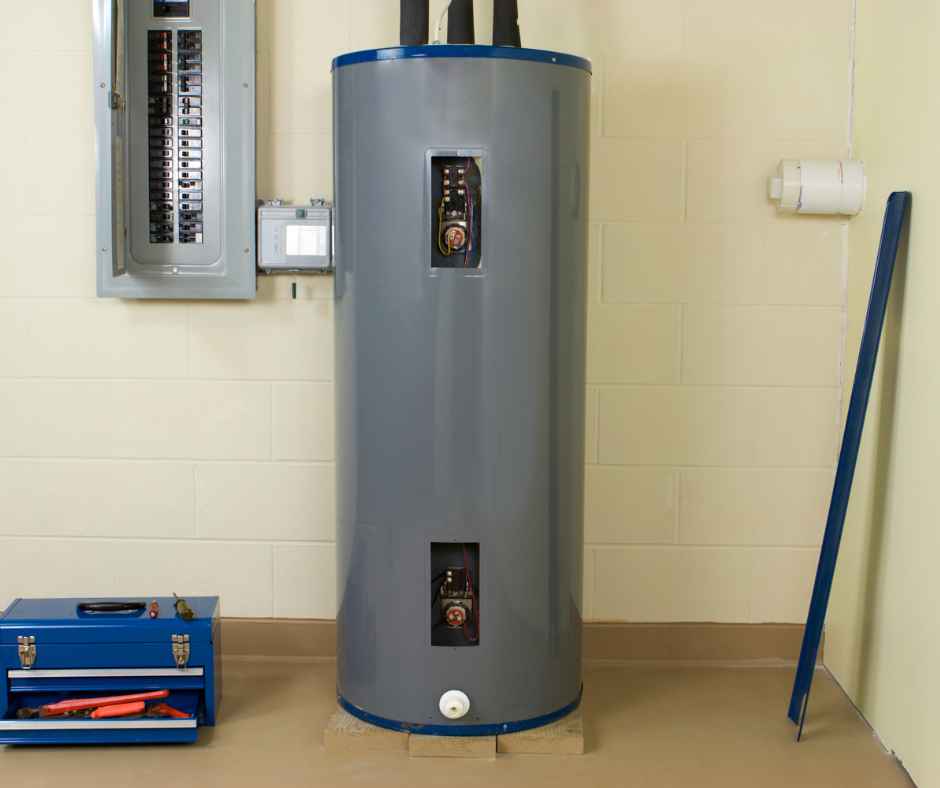
As the frost begins to retreat from the ground in Flat Rock, the transition from winter to spring brings more than just warmer air and blooming flowers. For many homeowners, this period represents a critical window of vulnerability for their residential infrastructure. The cycle of freezing and thawing creates significant physical stress on your plumbing system, often leading to issues that remain hidden until the first major rainstorm or a sudden spike in outdoor temperatures.
In this blog, we will explore the essential steps you must take to protect your home from the unique plumbing challenges associated with the Michigan spring thaw. By taking a proactive approach now, you can ensure that your plumbing system remains resilient and your basement stays dry throughout the wet spring months.
Understanding the Physics: Why Winter Stresses Your Pipes
To effectively protect your home, it is necessary to understand exactly what happens to your plumbing during the brutal Michigan winter. Water is one of the few substances on Earth that expands when it freezes. This expansion exerts an incredible amount of pressure on the walls of your pipes, regardless of whether they are made of copper, PVC, or PEX. While a complete pipe burst is the most dramatic result of this pressure, the more common and insidious issue involves the formation of hairline cracks. These tiny fractures often occur at the joints or where the pipe is most exposed to the cold, such as in crawl spaces or along exterior walls.
The real danger arrives during the spring thaw in Flat Rock. As the ice inside the pipe melts, the water begins to flow again, but it now has a direct path through any cracks created during the winter. Thermal expansion also plays a major role during this time. As ground temperature fluctuates, the soil surrounding your underground pipes shifts. This ground movement places physical stress on your main water line and sewer lines, which can cause shifts or breaks.
Furthermore, frozen ground is completely impermeable to water. When a sudden warm spell hits and the snow melts rapidly, the water cannot soak into the frozen earth. Instead, it pools around your foundation and puts immense hydrostatic pressure on your basement walls and your drainage system. This combination of internal pipe stress and external environmental pressure makes the spring transition the most common time for residential plumbing emergencies. Addressing these issues before the ground fully softens is the best way to avoid a catastrophic failure in your home.
The Sump Pump: Your First Line of Defense Against Flooding
When the snow begins to melt in Flat Rock, your sump pump becomes the most important mechanical system in your home. This device is designed to manage water that collects in the sump basin, typically located at the lowest point of your basement or crawl space. During a rapid spring thaw, the water table rises quickly, and your sump pump must work around the clock to move that water away from your foundation. If this system fails, the result is almost always a flooded basement and thousands of dollars in property damage.
Proper sump pump maintenance starts with a manual test. You should pour a five-gallon bucket of water into the pit to ensure the float switch rises and triggers the motor correctly. The float switch is a common point of failure because it can become stuck against the basin side or be weighed down by debris. To ensure your system is ready for the Michigan spring, follow these essential maintenance steps:
- Test the Float Switch: Manually lift the float to ensure the pump engages and disengages without sticking or stuttering.
- Clear the Intake Screen: Remove any silt, small stones, or debris that may have accumulated in the basin during the winter months.
- Inspect the Discharge Line: Ensure the pipe exit is clear of ice, mulch, or dirt so water can flow freely away from the foundation.
- Check the Check Valve: Verify that the one-way valve is functioning so that water does not flow back into the pit once the pump turns off.
- Verify Power Sources: Confirm the pump is plugged into a dedicated outlet and consider testing your battery backup system.
The discharge line is particularly vulnerable. This pipe carries the water out of your home and away from the foundation. During the winter, this line can freeze or become blocked by ice at the exit point. If the pump runs with the discharge line blocked, the motor will eventually burn out due to backpressure.
External Inspection: Faucets, Gutters, and Foundation Drainage
The exterior of your Flat Rock home is the primary battleground against spring flooding. As snow melts and spring rains begin, the volume of water moving across your property increases significantly. If your drainage systems are compromised, water will find the path of least resistance, which usually leads directly into your basement or through foundation walls. A thorough external inspection is essential to mitigate the heavy soil saturation common during the Michigan spring thaw.
The first priority is your outdoor faucets, also known as hose bibs. If a garden hose remained attached during a freeze, the internal valve might be damaged. Test this by turning on the faucet and placing your thumb over the opening to create pressure. If you hear water spraying or running inside the wall while the opening is blocked, you likely have a split pipe requiring professional repair. Beyond the faucets, your property drainage must be clear to handle the seasonal influx. Focus on these key areas during your inspection:
- Gutter and Downspout Clearing: Remove all leaves and winter debris to ensure water flows freely from your roof.
- Downspout Extensions: Verify that all downspouts discharge water at least six to ten feet away from your foundation.
- Grading and Soil Levels: Check that the ground slopes away from your home to prevent water from pooling against the exterior walls.
- Window Well Drainage: Clear out any trapped snow or debris from window wells to prevent water from seeping through basement windows.
- Outdoor Drain Grates: Ensure that any area drains or trench drains are clear of ice and organic matter.
Soil saturation is a major concern for local homeowners. When the ground is fully saturated, it cannot absorb any more water, leading to hydrostatic pressure. This pressure forces water through tiny cracks or porous concrete in your foundation. By ensuring your gutters and downspouts function perfectly, you divert water away from sensitive areas. These simple external precautions reduce the workload on your sump pump and minimize the risk of foundation failure during the wettest months.
Indoor Plumbing Audit: Identifying Silent Winter Damage
Once you have secured the exterior of your home, you must turn your attention to the interior plumbing. Winter damage is often silent, manifesting as small drips or pressure changes that go unnoticed until they become major emergencies. Identifying these issues early is the key to preventing mold growth and structural decay. A systematic walkthrough of your home can reveal where the cold months have taken their toll on your pipes and fixtures.
Start your audit by checking every faucet and fixture for consistent water pressure. If you notice a sudden drop in pressure in one specific area, it could indicate a pinhole leak or a blockage caused by mineral buildup that shifted during a freeze. Check under every sink for signs of moisture, such as damp cabinet bases or a musty odor. These are often the first indicators of a failing pipe joint. To ensure a thorough internal inspection, follow this checklist for your Flat Rock home:
- Inspect Pipe Joints: Look for any corrosion, white mineral deposits, or green oxidation around copper fittings, as these suggest slow, ongoing leaks.
- Check the Water Heater: Inspect the base of your water heater for signs of rust or pooling water. The tank works harder in winter, and thermal stress can lead to failure in the spring.
- Monitor the Water Meter: Turn off all water sources in the house and watch the meter. If the dial continues to move, there is a hidden leak in your system.
- Examine Exposed Pipes: Inspect pipes in unheated areas such as the garage or crawl space. Look for “sweating” or condensation, which can lead to wood rot if not addressed.
- Test Shut-Off Valves: Ensure that your main water shut-off valve and individual fixture valves turn easily. They often seize up after a long winter of disuse.
Hidden leaks are particularly dangerous because they create an ideal environment for mold to grow behind your walls. In Flat Rock, increased spring humidity can accelerate this growth. By identifying and repairing these minor issues now, you protect your home’s air quality and the integrity of your plumbing. If you find any signs of moisture that you cannot trace to a specific source, it is time to call in a professional to perform a leak detection service.
Professional Maintenance: Why DIY Isn’t Always Enough
While homeowner vigilance is the first line of defense, some aspects of the spring thaw require a professional touch. A professional plumber in Flat Rock uses specialized diagnostic tools to identify problems invisible to the naked eye. We use high-resolution sewer cameras to inspect your main lines for root intrusion or soil shifts that often occur as the ground softens. These internal inspections can catch a potential sewer backup before it floods your home with wastewater.
Furthermore, professional plumbing services offer a level of precision that DIY methods simply cannot match. During a seasonal plumbing inspection, we check pressure levels throughout your system to ensure your pipes are not under undue stress. We also provide water heater flushes to remove the sediment that builds up during the high-demand winter months. By investing in professional maintenance, you are not just addressing current issues; you are extending the lifespan of your plumbing infrastructure and protecting your Flat Rock property value.
Preparing for a Worry-Free Spring
The spring thaw in Flat Rock brings unique challenges that require your immediate attention. By taking the time to inspect your sump pump, clear your exterior drainage, and perform an internal plumbing audit, you can protect your home from significant water damage. Seasonal maintenance is the ultimate key to the longevity of your plumbing systems and the overall safety of your property.
If you notice leaks or need a professional inspection to ensure your home is ready for heavy spring rains, Superior Comfort Heating, Cooling & Plumbing is ready to assist. Contact us today to schedule your comprehensive spring plumbing evaluation and enjoy a worry-free season.
Frequently Asked Questions
Why does my water pressure suddenly drop during the spring thaw?
Sudden drops in water pressure in the spring often indicate a hidden leak caused by a frozen pipe over the winter. As the ice melts, the crack in the pipe begins to leak, diverting water away from your faucets. It can also be caused by sediment stirred up in the main water lines as ground temperatures change.
Is it normal for my sump pump to run every few minutes when the snow melts?
Yes, it is normal for a sump pump to cycle frequently during a rapid thaw in Flat Rock. The melting snow and frozen ground create a high volume of runoff that collects quickly in your sump pit. As long as the pump is successfully moving water away from your home and not overheating, it is performing its job correctly.
Can I use a space heater to thaw a pipe that I suspect is still frozen?
You should never use a space heater or any open flame to thaw a pipe, as this creates a significant fire hazard and can cause the pipe to burst from rapid thermal expansion. Instead, use a hair dryer on a low setting or wrap the pipe in towels soaked in hot water. If the pipe does not thaw quickly, you must shut off your main water valve and call a professional.
How far away from my foundation should my downspouts actually drain?
To prevent hydrostatic pressure from building up against your basement walls, downspouts should discharge water at least six to ten feet away from your foundation. If your property has a significant slope toward the house, you may need longer extensions or a buried drainage system to move the water to a safer location.
What is the “rotten egg” smell coming from my drains after the winter?
A sulfur or rotten egg smell usually indicates that the water in your P-traps has evaporated or that there is a blockage in your plumbing vent stack. During the winter, snow and ice can accumulate on the roof and block the vent, forcing sewer gases back into your home. If cleaning the traps does not solve the issue, a professional should inspect your roof vents.