SEE OUR SPECIALS
 FINANCING
 SCHEDULE A SERVICE
Michigan winters are known for their intensity, characterized by heavy snowfall and prolonged periods with temperatures consistently below freezing. For homeowners in Flat Rock, these harsh conditions do more than just increase heating bills. Extreme cold places tremendous physical stress on residential plumbing systems, often creating vulnerabilities that can cause significant property damage. Understanding how these environmental factors affect your pipes is essential to maintaining a safe, dry home throughout the season.
In this blog, we will explore the specific ways that freezing temperatures affect your plumbing and provide actionable advice to help you avoid common winter disasters. By taking a few proactive steps now, you can safeguard your infrastructure and ensure your family remains comfortable until the spring thaw arrives.
The Science of Freezing: Why Your Pipes Are at Risk
The physics of a Michigan winter are unforgiving when it comes to your home’s water lines. Most people assume that a pipe bursts simply because ice expands against the pipe wall. While water does indeed expand by approximately nine percent when it transitions from liquid to solid, the real culprit is often hydraulic pressure. As an ice blockage forms inside a pipe, it creates a pressurized pocket of water between the frozen section and the closed faucet. This pressure continues to build as the ice grows, eventually reaching a point where the pipe material can no longer contain the force.
This mechanical failure typically occurs at the weakest point in the system, such as a solder joint or a section of pipe already thinned by corrosion. Copper is particularly susceptible to this type of stress because of its rigid nature. In contrast, modern PEX piping offers greater flexibility but is not immune to the extreme temperatures in Flat Rock. Understanding this pressure dynamic is crucial because it explains why even a small frozen section can cause a massive leak several feet away. The force exerted by expanding ice is stronger than the steel or copper meant to contain it, making thermal protection a necessity rather than an option during the coldest months of the year.
Common Winter Plumbing Culprits in Flat Rock
While every pipe in your home is theoretically at risk during a deep freeze, certain areas of your plumbing system are significantly more vulnerable than others. In Flat Rock, we find that the majority of winter emergencies originate in spaces that lack adequate insulation or exposure to the home’s primary heating source. Identifying these high-risk zones is the first step in creating an effective winterization strategy. The following components are the most frequent culprits behind winter plumbing failures:
- Outdoor Hose Bibs: These are perhaps the most common failure points. If a garden hose remains attached, it traps water inside the faucet body. When that water freezes, it expands and cracks the internal valve, often causing a flood inside the wall the next time the faucet is turned on.
- Crawl Space Plumbing: Many homes in our area are built on crawl spaces that are not climate-controlled. Pipes in these areas are exposed to biting winds and sub-zero temperatures, making them susceptible to freezing.
- Uninsulated Exterior Wall Pipes: Kitchen and bathroom sinks located against outside walls often lack sufficient insulation behind the cabinetry. Without the warmth of the room reaching them, the standing water inside can easily turn to ice.
- Drafty Basements: Small cracks in the foundation or gaps around utility penetrations can allow a stream of freezing air to blow directly onto a nearby pipe. This localized “wind chill” can freeze a pipe even if the rest of the basement feels relatively warm.
- Underground Sprinkler Systems: If water is not properly flushed from the irrigation lines before the first hard freeze, expanding ice can shatter plastic valves and rupture underground piping.
Ignoring these specific areas is a gamble that rarely pays off in the Michigan climate. Even a single night of extreme cold can be enough to compromise an uninsulated pipe. By focusing your attention on these known trouble spots, you can direct your winterization efforts where they will have the greatest impact. Ensuring that these components are properly shielded from the elements is the most effective way to prevent the stress and expense of a mid-winter plumbing catastrophe.
Identifying the Warning Signs of a Frozen Pipe
Early detection is the most effective way to prevent a frozen pipe from bursting. In many cases, your plumbing system will provide subtle indicators that ice is beginning to form within the lines. If you can catch these signs before the blockage is complete, you may be able to thaw the line safely and avoid a major repair bill. Flat Rock homeowners should be particularly vigilant on nights when the temperature drops below 20°F, as this is the threshold at which freezing typically begins in indoor pipes.
Pay close attention to these red flags during a cold snap:
- Reduced Water Flow: If you turn on a faucet and only a trickle of water comes out, or if the pressure is significantly lower than usual, there is likely an ice blockage forming in the line.
- Frost on Exposed Pipes: Look at the pipes in your basement, garage, or crawl space. If you see a layer of frost on the exterior of the pipe, the water inside is almost certainly frozen.
- Strange Noises: If you hear banging, whistling, or gurgling sounds when you turn on the water, it may be the result of air bubbles being forced through a narrowed, icy passage.
- Unusual Odors: When a pipe is blocked by ice, sewer gases can be trapped and forced back up through the drains, resulting in a persistent “rotten egg” odor in the home.
If you encounter any of these symptoms, you must act quickly. Leaving the issue unaddressed allows the ice to continue expanding and the internal water pressure to climb. If you cannot locate the frozen section or the pipe is inaccessible, shut off the main water valve and contact a professional immediately to prevent a rupture.
Proactive Winterization: Protecting Your Infrastructure
Preventing plumbing disasters during a Michigan winter requires a combination of physical barriers and strategic habits. The goal of winterization is to keep the air surrounding your pipes well above the freezing point while ensuring that the water inside remains in motion during extreme cold snaps. For Flat Rock homeowners, a few hours of preparation in late autumn can save thousands of dollars in emergency restoration costs.
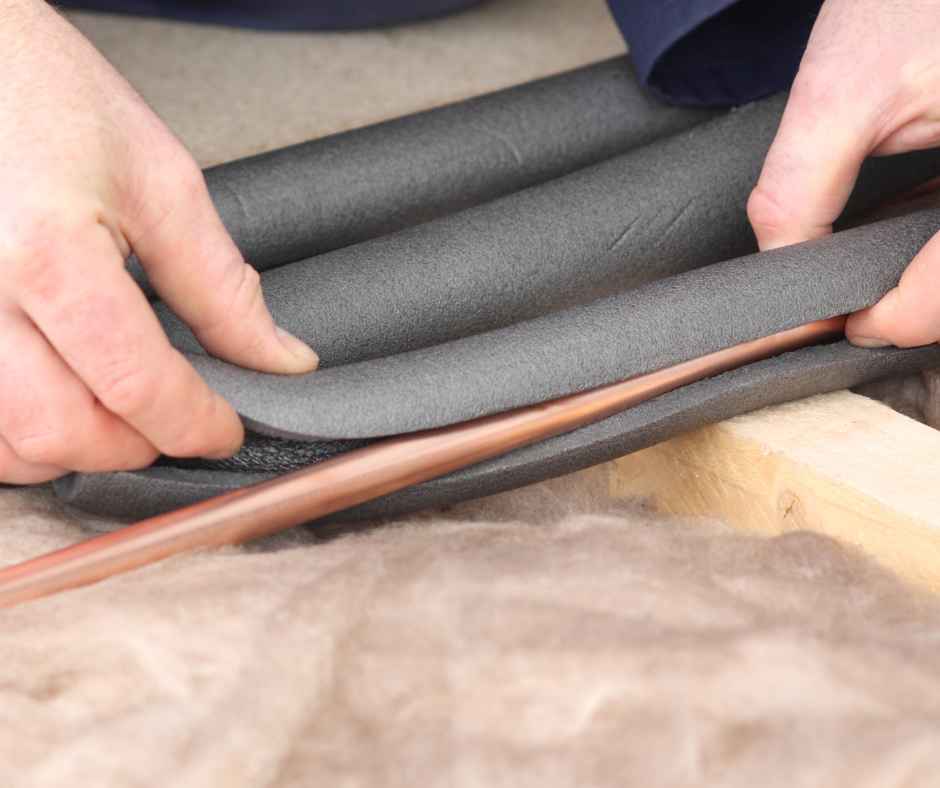
The most effective physical defense is installing high-quality pipe insulation. Foam sleeves or fiberglass wraps should be applied to all exposed pipes in unheated areas, such as the garage, attic, or crawl space. However, insulation only slows the transfer of heat; it does not create it. To provide an extra layer of protection, you must also address the drafts that allow freezing air to enter your home. Use spray foam or caulk to seal gaps around dryer vents, electrical conduits, and outdoor faucets. Consider the following checklist to fully secure your home:
- Maintain a Consistent Temperature: Set your thermostat to at least 55°F even when you are away from home. This ensures that the internal wall cavities stay warm enough to protect hidden pipes.
- Open Cabinet Doors: During extreme cold, open the doors under the kitchen and bathroom sinks to allow warm room air to circulate around the plumbing.
- The Drip Method: When temperatures are expected to drop below 20°F, let a small, steady drip of cold water run from the faucet furthest from your water main. Moving water is much harder to freeze.
- Disconnect Exterior Hoses: Ensure all hoses are removed and stored, and shut off the interior valve leading to the outdoor spigot if one is available.
- Seal Foundation Vents: In the winter, close or cover crawl space vents to prevent frigid air from whistling through the area where your main lines are often located.
A professional plumbing audit is also a wise investment for older homes in Flat Rock. A licensed plumber can identify “dead legs” in your plumbing or poorly routed lines that are at a higher risk of freezing. By combining these DIY efforts with professional oversight, you create a comprehensive shield that protects your home from the most aggressive Michigan winters.
When to Call the Experts: Safe Thawing and Repairs
While some homeowners might be tempted to attempt a DIY thaw when a pipe freezes, this is often where the most significant damage occurs. Using high-heat tools like blowtorches or heat guns can cause localized boiling, which can cause pipes to explode or ignite surrounding insulation. If you discover a frozen pipe, the safest course of action is to open the faucet to relieve pressure and then call a licensed professional.
A specialist from Superior Comfort has the technical equipment to thaw pipes safely and evenly using controlled methods. Furthermore, we use advanced leak-detection technology to ensure that the thawing process hasn’t revealed a hidden leak elsewhere in the line. Our technicians are trained to identify structural weaknesses that could lead to a recurrence of the problem during the next cold snap. Professional intervention is not just about restoring water flow; it is about ensuring the long-term integrity of your home’s infrastructure and preventing the mold growth that often follows a slow, undetected winter leak.
Securing Your Home Against the Cold
The challenges of a Michigan winter are significant, but they do not have to result in a plumbing disaster. By understanding how ice affects your pipes and identifying the specific vulnerabilities in your home, you can stay one step ahead of freezing temperatures. Taking proactive measures, such as insulating exposed lines and sealing drafts, is the most effective way to ensure your plumbing remains functional and your basement stays dry.
Superior Comfort Heating, Cooling & Plumbing is here to provide the expert support you need to keep your home safe and efficient through the darkest months of the year. Contact us today to schedule a winterization inspection and gain the peace of mind that comes with a professionally protected home.
Frequently Asked Questions (FAQ)
Can PEX piping still burst in the winter?
While PEX is more flexible than copper or PVC and can expand slightly during a freeze, it is not burst-proof. If the water inside remains frozen for an extended period, or if pressure builds too high between two frozen points, even PEX will eventually rupture. It is always better to insulate PEX lines rather than relying solely on their flexibility.
Why does my hot water line often freeze before my cold water line?
This is known as the Mpemba effect. While it seems counterintuitive, hot water can sometimes freeze faster than cold water under specific conditions. Additionally, hot water lines are often routed differently or lack the same level of protection because people assume they are safe from freezing, making them a common failure point.
How do I know if a pipe has already burst before it thaws?
If you suspect a pipe is frozen, you should check your water meter. If the meter is spinning even though no faucets are on, water is escaping somewhere. Also, look for bulging or misshapen sections of pipe. If the pipe wall appears distorted, it has likely failed and will leak once the ice melts.
Is it safe to leave my crawl space vents open in the winter?
No, you should close your crawl space vents during the Michigan winter. Open vents allow a continuous stream of freezing air to circulate directly around your plumbing. Closing these vents helps trap the natural heat from the ground and keeps the crawl space temperature significantly higher than the outdoor air.
Does a tankless water heater need special winter protection?
Most modern tankless water heaters have built-in freeze protection heaters, but they only work when the unit is powered. If the unit is installed in an unheated space or on an exterior wall, you must ensure the venting is properly screened to prevent freezing air from entering the heat exchanger. A dedicated drain valve is also recommended for manual draining during a power outage.