SEE OUR SPECIALS
 FINANCING
 SCHEDULE A SERVICE
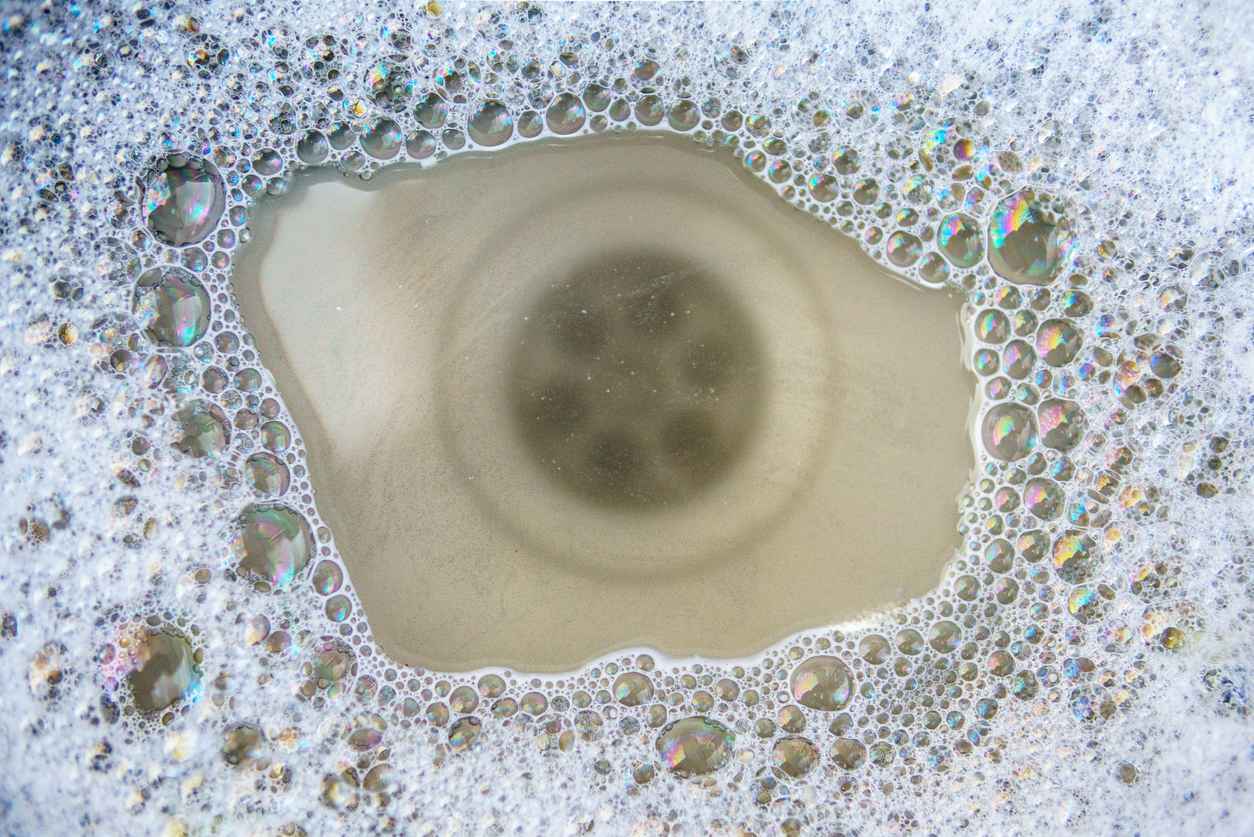
Slow drains are one of the most common plumbing complaints among homeowners in Southeast Michigan. What starts as a minor inconvenience can quickly turn into standing water in the sink, unpleasant odors, or even a full backup if the issue is ignored. Between hard water mineral buildup, grease from kitchen sinks, and hair collecting in bathroom drains, most homes in the region deal with clogs at some point.
The challenge is knowing which solutions are effective and which may do more harm than good. Many store-bought products promise fast results, but not all address the root cause. In this blog, we break down what works and what does not when dealing with slow drains and stubborn clogs in SE Michigan homes.
Why Slow Drains Are So Common in SE Michigan Homes
Drain problems are not random. In Southeast Michigan, several regional factors increase the likelihood of slow drains, especially in homes older than 20 years. Climate, water quality, and aging infrastructure all affect how quickly buildup forms in your plumbing system.
Common local contributors include:
- Hard water minerals that leave behind scale inside pipes gradually narrow the passage for water to flow
- Older plumbing systems with galvanized or aging cast iron pipes that corrode and collect debris more easily
- Mature trees in established neighborhoods, where roots naturally seek moisture and can infiltrate underground sewer lines
- Seasonal freezing and thawing cause ground movement and minor pipe shifts over time
- Increased indoor water usage during colder months, which puts additional strain on drainage systems
When these factors combine with everyday household debris, even a well-built plumbing system can begin to slow down. Understanding the regional causes helps homeowners focus on long-term prevention instead of temporary fixes.
What Actually Causes Slow Drains in Homes
Most clogs do not form overnight. They build gradually as everyday materials collect inside the pipes. While each home is different, the causes tend to follow predictable patterns, especially in households in Southeast Michigan.
The most common sources of slow drains include:
- Grease and cooking oils that solidify inside kitchen pipes and trap food particles
- Hair accumulation in bathroom drains, which binds with soap residue and creates dense blockages
- Soap scum that hardens along pipe walls and narrows water flow over time
- Mineral deposits from hard water that create scale buildup inside plumbing lines
- Food scraps that slip past sink strainers and settle in the trap
- Flushable wipes and hygiene products that do not break down properly in sewer systems
- Tree root intrusion in underground sewer lines, particularly in older neighborhoods
In many cases, multiple factors combine to create stubborn clogs. For example, mineral buildup may reduce pipe diameter, making it easier for grease or debris to stick and accumulate. That is why clearing a clog once does not always solve the underlying issue. Identifying the true cause is essential for long-term results.
What Works for Clearing Slow Drains
When dealing with a slow drain, the goal is to remove the buildup without damaging your pipes. Some methods are simple and effective for minor clogs, while others are better suited for more stubborn blockages. Choosing the right approach depends on the severity and location of the issue.
Proven methods that tend to work include:
- Flushing with hot water and dish soap for kitchen sinks, which helps break down light grease buildup before it hardens
- Using a manual drain snake to physically remove hair and debris from bathroom sinks, tubs, and showers
- Removing and cleaning the P-trap under the sink when the buildup is localized and accessible
- Applying enzyme-based drain cleaners that use natural bacteria to slowly break down organic material without harming pipes
- Scheduling professional drain cleaning when clogs persist or return frequently
- Hydro jetting for deeper or more severe buildup, which uses high-pressure water to clear pipe walls safely and thoroughly
- Sewer camera inspections to identify hidden blockages, root intrusion, or damaged lines
For minor clogs, simple mechanical removal often provides better results than chemical products. When the problem is deeper in the line or recurs, professional equipment ensures the blockage is fully cleared rather than temporarily pushed aside.
What Does Not Work and Can Make It Worse
Not every drain cleaning method is safe or effective. In fact, some common approaches can damage your plumbing or create a bigger issue down the line. Many Southeast Michigan homeowners unknowingly rely on quick fixes that provide temporary relief while allowing the real problem to grow.
Methods that often cause more harm than good include:
- Chemical drain cleaners that generate heat and can corrode older metal pipes or weaken PVC joints
- Repeated use of liquid clog removers, which may partially clear a blockage but leave hardened buildup behind
- Pouring boiling water into PVC pipes can soften fittings and lead to leaks
- Using makeshift tools like coat hangers that can scratch or puncture the pipe interiors
- Ignoring recurring slow drains after temporary improvement
- Flushing wipes labeled as flushable, which frequently contribute to sewer line blockages
Chemical products may seem convenient, but they rarely remove the full obstruction. In older homes with aging plumbing systems, harsh cleaners can accelerate pipe deterioration. Addressing the root cause instead of masking the symptom is always the safer approach.
Signs the Problem Is Bigger Than a Simple Clog
Sometimes, a slow drain is just surface buildup near the fixture. At other times, it indicates a more serious plumbing issue further upstream in the system. Recognizing the difference can prevent costly repairs and potential water damage.
Warning signs that indicate a larger problem include:
- Multiple drains are slowing down at the same time
- Gurgling sounds coming from toilets when sinks or tubs are draining
- Water backs up into a tub or shower when the washing machine runs
- Persistent foul odors that do not improve after cleaning
- Recurring clogs in the same fixture within weeks
- Wet spots in the yard near the sewer line path
- Sudden soggy areas or unusually green patches of grass
When more than one fixture is affected, the issue is often located in the main sewer line rather than a single drain. In Southeast Michigan, tree root intrusion is a common cause of deeper line blockages, especially in established neighborhoods. Addressing these warning signs early can prevent a full sewer backup inside the home.
When to Call a Professional Plumber in SE Michigan
While minor clogs can sometimes be handled with simple tools, certain situations call for professional expertise. Waiting too long can allow pressure to build inside the system, increasing the risk of leaks or backups.
It is time to contact Superior Comfort Heating, Cooling & Plumbing when:
- A clog keeps returning despite repeated attempts to clear it
- More than one drain in the home is slow or backing up
- You notice sewage odors inside or outside the home
- Water is pooling near a floor drain or basement fixture
- Store-bought solutions have failed to improve drainage
- You want preventative maintenance to avoid future problems
Professional drain cleaning services use specialized tools, such as sewer cameras and hydro jetting equipment, to clear blockages and inspect your pipes. This approach not only removes the immediate clog but also helps identify underlying issues before they become emergencies.
Protect Your Plumbing System from Stubborn Clogs
Slow drains are more than just an inconvenience. Left unaddressed, they can lead to pipe damage, sewer backups, and costly repairs. By understanding what works and avoiding methods that can harm your plumbing, Southeast Michigan homeowners can take smarter steps toward long-term protection.
If your drains are slowing down or stubborn clogs keep returning, the team at Superior Comfort Heating, Cooling & Plumbing is ready to help. Our experienced technicians provide thorough inspections and effective drain cleaning solutions tailored to local homes. Contact us today to schedule service and keep your plumbing system flowing smoothly.
Frequently Asked Questions About Slow Drains and Clogs
How often should I have my drains professionally cleaned?
For most Southeast Michigan homes, professional drain cleaning every one to two years is sufficient. Homes with older plumbing, mature trees, or recurring buildup may benefit from annual inspections to prevent deeper sewer line issues.
Is hydro jetting safe for older pipes?
Hydro jetting is generally safe when performed by a licensed professional who first inspects the line with a sewer camera. If pipes are severely corroded or damaged, alternative methods may be recommended. A proper inspection ensures the right solution is used for your specific plumbing system.
Why do my drains slow down more in the winter?
Lower temperatures can cause grease to solidify more quickly in pipes. Increased indoor water use during the winter months also places additional strain on your drainage system. In some cases, ground movement from freezing and thawing can affect underground sewer lines.
Are baking soda and vinegar effective for clearing clogs?
This mixture can help freshen drains and remove minor surface buildup. However, it is not strong enough to remove dense hair clogs, hardened grease, or tree root intrusion. It works better for light maintenance than for stubborn blockages.
How can I prevent future drain clogs?
Simple habits make a big difference. Avoid pouring grease down the sink, use drain strainers in bathrooms, limit food scraps entering the disposal, and schedule periodic inspections if your home has older plumbing. Preventative care is far less expensive than repairing a damaged sewer line.